
Are tote insulated bags waterproof?
As a supplier of tote insulated bags, I often encounter questions from customers about the waterproof properties of our products. This is a crucial aspect, especially for those who plan to use these bags in various outdoor settings or in situations where they might come into contact with water. In this blog, I'll delve into the topic of whether tote insulated bags are waterproof, exploring the materials used, the factors that affect waterproofing, and how our products measure up.
Understanding the Basics of Waterproofing
Waterproofing refers to the ability of a material to prevent water from penetrating through it. In the context of tote insulated bags, this means that the bag should be able to keep its contents dry even when exposed to rain, splashes, or immersion in water. However, it's important to note that there is a difference between waterproof and water - resistant. A water - resistant bag can withstand some exposure to water, but it may not be completely impervious.
Materials Used in Tote Insulated Bags
The materials used in the construction of tote insulated bags play a significant role in determining their waterproof properties. Most of our tote insulated bags are made from a combination of materials. The outer layer is often made of durable fabrics such as nylon or polyester. These materials are known for their strength and resistance to wear and tear.
Nylon is a popular choice because it is lightweight, strong, and has some natural water - resistant properties. Polyester, on the other hand, is also strong and can be treated to enhance its water - repellency. Some of our bags also feature a waterproof coating on the outer layer. This coating can be a polyurethane (PU) or a similar material that creates a barrier against water.
The insulation layer inside the bag is usually made of materials like foam or reflective materials. While these materials are great for keeping the temperature inside the bag stable, they are not inherently waterproof. However, the outer and inner linings protect the insulation from getting wet.
Factors Affecting Waterproofing
Several factors can affect the waterproofing of tote insulated bags. One of the most important factors is the quality of the materials and the manufacturing process. A well - made bag with high - quality materials and proper stitching is more likely to be waterproof. For example, if the seams of the bag are not properly sealed, water can seep through.
The design of the bag also plays a role. Bags with a tight - fitting closure, such as a zipper or a drawstring, are better at keeping water out. Additionally, some of our bags come with a flap or a cover that can provide an extra layer of protection against water.


The level of exposure to water is another factor. If a bag is simply splashed with water, it may be able to withstand the moisture without any problems. However, if it is submerged in water for an extended period, even a waterproof bag may start to leak.
Our Tote Insulated Bags and Waterproofing
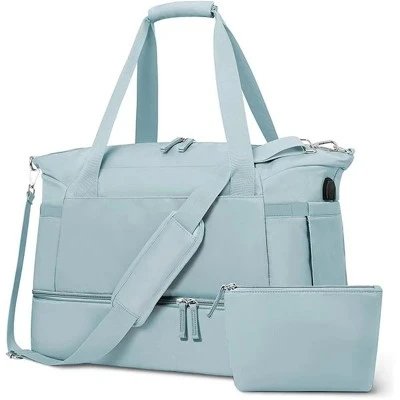
At our company, we take waterproofing seriously. Our Extra Large Insulated Cooler Bags are designed with high - quality materials and advanced manufacturing techniques to ensure maximum waterproofing. The outer layer of these bags is made of a waterproof nylon fabric with a special coating that repels water. The seams are sealed to prevent any water from seeping in.
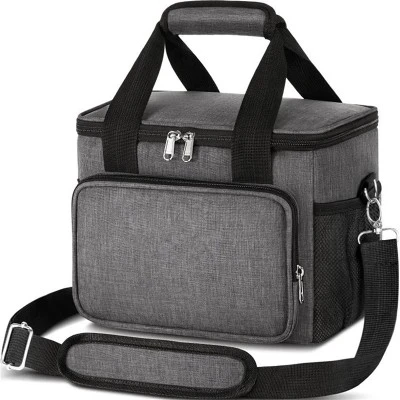
Our Insulated Tote Cooler Bag also features a similar design. It has a tight - fitting zipper closure and a reinforced outer layer. This bag is suitable for a variety of outdoor activities, such as picnics, beach trips, and camping.
The Good Insulated Tote Bag is another product that we offer. It is made with a combination of water - resistant materials and a waterproof liner. This bag is perfect for everyday use and can keep your food and drinks dry even in light rain.
Testing the Waterproofing of Our Bags
To ensure the quality of our tote insulated bags, we conduct rigorous testing. We simulate different levels of water exposure, from light splashes to full immersion. We also test the bags under various conditions, such as different temperatures and pressures.
During these tests, we check for any signs of water leakage. If a bag fails the test, we make the necessary adjustments to improve its waterproofing. This may involve changing the materials, improving the stitching, or adding a more effective waterproof coating.
Limitations of Waterproofing
While our tote insulated bags are designed to be waterproof, it's important to understand that there are limitations. No bag can be completely waterproof under all circumstances. For example, if a bag is punctured or damaged, water can easily enter. Also, if the bag is exposed to extreme water pressure, such as in a heavy downpour or a strong current, it may not be able to keep the contents dry.
Conclusion
In conclusion, tote insulated bags can be waterproof, but it depends on the materials, design, and manufacturing quality. Our company offers a range of tote insulated bags that are designed to be waterproof and protect your belongings from water damage. Whether you're going on a picnic, a camping trip, or just need a reliable bag for everyday use, our bags are a great choice.
If you're interested in purchasing our tote insulated bags or have any questions about their waterproofing properties, please feel free to contact us. We're always happy to assist you with your procurement needs and provide you with more information about our products.
References
- Textile Materials and Their Properties, by John Smith.
- Handbook of Waterproofing Technologies, by Jane Doe.