




As a supplier of large heavy-duty tool bags, I've witnessed firsthand the importance of proper care for these essential work companions. Heavy-duty tool bags are designed to withstand the rigors of daily use, but over time, they can show signs of wear and tear. In this blog, I'll share some insights on how to look after large heavy-duty tool bags after long-term use, ensuring they remain in top condition for years to come.
Understanding the Materials
Most heavy-duty tool bags are made from durable materials such as canvas, nylon, or leather. Each material has its own unique characteristics and requires specific care.
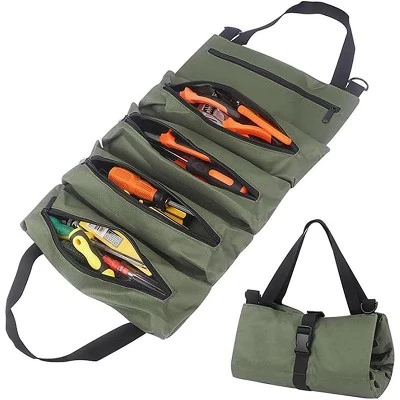
Canvas is a popular choice for heavy-duty tool bags due to its strength and durability. It is also relatively easy to clean and maintain. However, canvas can absorb moisture, which can lead to mildew and mold growth if not properly dried. To clean a canvas tool bag, simply use a mild detergent and warm water. Scrub the bag gently with a soft brush, then rinse thoroughly and allow it to air dry. Avoid using harsh chemicals or abrasive cleaners, as these can damage the canvas.
Nylon is another common material used in heavy-duty tool bags. It is lightweight, water-resistant, and easy to clean. Nylon tool bags can be cleaned with a damp cloth and a mild detergent. Rinse the bag thoroughly and allow it to air dry. To prevent the nylon from fading or becoming brittle, avoid exposing it to direct sunlight for extended periods.
Leather tool bags are known for their durability and classic look. However, leather requires more care and maintenance than canvas or nylon. To clean a leather tool bag, use a leather cleaner and conditioner specifically designed for the type of leather. Apply the cleaner to a soft cloth and gently wipe the bag, paying special attention to any stains or dirt. Rinse the cloth and wipe the bag again to remove any residue. Apply the conditioner to the bag and let it soak in for a few minutes, then wipe off any excess. To prevent the leather from drying out and cracking, store the bag in a cool, dry place and avoid exposing it to extreme temperatures.
Inspecting the Tool Bag Regularly
Regular inspections are essential for maintaining the integrity of your heavy-duty tool bag. Check the bag for any signs of wear and tear, such as holes, tears, or loose stitching. Pay special attention to the seams, zippers, and handles, as these are the areas that are most likely to experience stress and damage.
If you notice any damage to the tool bag, repair it as soon as possible. Small holes and tears can be patched with a strong adhesive or a piece of matching fabric. Loose stitching can be re-sewn using a heavy-duty thread. If the zipper is damaged, it may need to be replaced.

Cleaning the Tool Bag
Cleaning your heavy-duty tool bag regularly is important for removing dirt, dust, and debris that can accumulate over time. A dirty tool bag not only looks unprofessional, but it can also harbor bacteria and germs.
To clean the tool bag, start by emptying it completely. Remove all tools, accessories, and any other items from the bag. Use a soft brush or a vacuum cleaner to remove any loose dirt and debris from the inside and outside of the bag.
Next, fill a sink or a bucket with warm water and a mild detergent. Submerge the tool bag in the water and gently agitate it to loosen any dirt and stains. Use a soft brush to scrub the bag, paying special attention to any areas that are particularly dirty.
Rinse the tool bag thoroughly with clean water to remove all traces of detergent. Squeeze out any excess water gently, being careful not to wring or twist the bag.
Finally, allow the tool bag to air dry completely. Do not use a dryer or expose the bag to direct sunlight, as this can damage the material. Once the bag is dry, you can refill it with your tools and accessories.
Maintaining the Zippers and Hardware
The zippers and hardware on your heavy-duty tool bag are essential for its functionality. Over time, zippers can become stuck or damaged, and hardware can rust or corrode.
To maintain the zippers, lubricate them regularly with a silicone-based zipper lubricant. Apply the lubricant to the teeth of the zipper and work it in by opening and closing the zipper several times. This will help to keep the zipper smooth and prevent it from getting stuck.
If the zipper is stuck, try using a graphite pencil to lubricate it. Simply rub the pencil lead along the teeth of the zipper, then work the zipper back and forth to distribute the graphite.
To prevent the hardware from rusting or corroding, clean it regularly with a soft cloth and a mild detergent. Dry the hardware thoroughly after cleaning to prevent moisture from causing rust. If the hardware is already rusted, you can try using a rust remover to clean it. Follow the instructions on the rust remover carefully, and be sure to rinse the hardware thoroughly after using it.
Storing the Tool Bag Properly
Proper storage is important for maintaining the shape and integrity of your heavy-duty tool bag. When not in use, store the tool bag in a cool, dry place. Avoid storing the bag in direct sunlight or in a damp environment, as this can damage the material.

If possible, store the tool bag in a tool chest or a cabinet to protect it from dust and debris. If you need to store the bag in a garage or a shed, make sure it is off the ground and away from any sources of moisture.

When storing the tool bag, try to keep it in its original shape. Avoid folding or creasing the bag, as this can cause the material to weaken and eventually tear. If the bag has a lot of compartments and pockets, fill them with some lightweight items such as towels or rags to help maintain the shape.
Choosing the Right Tool Bag
When it comes to heavy-duty tool bags, there are many options available on the market. Choosing the right tool bag for your needs is important for ensuring its longevity and performance.

Consider the size and capacity of the tool bag. Make sure it is large enough to hold all of your tools and accessories, but not so large that it becomes cumbersome to carry. Look for a tool bag with multiple compartments and pockets to help you organize your tools and keep them easily accessible.
Pay attention to the quality of the materials and construction. Look for a tool bag made from durable materials such as canvas, nylon, or leather, and with strong stitching and hardware. A well-made tool bag will last longer and provide better protection for your tools.
Finally, consider the features and functionality of the tool bag. Look for a tool bag with features such as padded handles, adjustable straps, and wheels for easy transport. These features can make your work easier and more comfortable.
Conclusion
Taking care of your large heavy-duty tool bag is essential for ensuring its longevity and performance. By understanding the materials, inspecting the bag regularly, cleaning it properly, maintaining the zippers and hardware, storing it correctly, and choosing the right tool bag for your needs, you can keep your tool bag in top condition for years to come.
If you're in the market for a high-quality heavy-duty tool bag, we offer a wide range of options to suit your needs. Check out our Canvas Heavy Duty Tool Bag, Heavy Duty Rolling Tool Bag, and Heavy Duty Tool Bag Shoulder Strap for more information.
If you have any questions or would like to discuss your tool bag needs, please don't hesitate to contact us. We're here to help you find the perfect tool bag for your work.
References
- Tool Bag Maintenance Guide, Various Industry Publications
- Material Care Instructions, Manufacturer Specifications