


Yo, if you’re a tradesperson, mechanic, gardener, or anyone hauling gear that doesn’t mess around, you know how much of a nightmare moving a heavy duty tool bag safely can be. I’ve been in this game long enough—turns out I run a heavy duty tool bag supply side, and I’ve seen my fair share of not just damaged bags, but also injured folks who didn’t think through how they move their gear. I once heard a framer complain about a hernia that took him off the job for 6 weeks, all ‘cause he was heaving a full bag of nails, drills, and levels over his shoulder wrong. That’s why I’m breaking this down the real way—no fancy jargon, just stuff that actually works when you’re hauling 50+ lbs of tools to a job site, across a parking lot, or even up a couple flights of stairs.
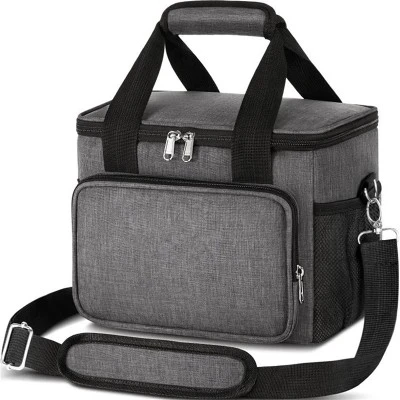
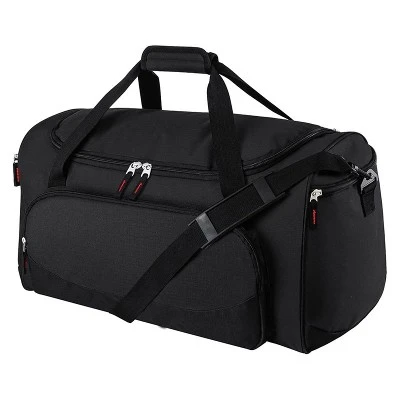
First off, let’s get one thing straight: your bag’s design isn’t an afterthought. When I designed our range of heavy duty tool bags, every part—from the strap to the base—was built to handle weight, but only if you use it right. Let’s start with the most common (and most dangerous) move: shoulder hauling. I see so many people yank a full bag up by one strap, hunch their shoulder, and power walk. Bad call. Here’s why: cheap straps fray, sure, but even our heavy duty tool bag shoulder strap—yeah, the one linked here (/tool-bag/heavy-duty-tool-bag/heavy-duty-tool-bag-shoulder-strap.html)—isn’t meant to take 100% of your bag’s weight while you’re lurching. Those straps are built with reinforced stitching, load-bearing webbing, and even a padded section to spread pressure, but only if you use them correctly.
Wait, let’s geek out a tiny bit on why that matters. A standard shoulder strap distributes weight over a small patch of your shoulder, but when you’re hauling a heavy bag, that pressure can pinch nerves, strain your rotator cuff, or even tear the strap if you’re unevenly loading the bag. Pro tip from our team: always adjust both shoulder straps (yes, both—unless you’re using a single strap model) so the bag sits at hip height, not mid-thigh or chest. Mid-thigh makes you bend awkwardly, leading to back strain; chest height throws off your balance, especially on uneven ground. If you’re using our single-strap model, don’t swing the bag from side to side like it’s a pendulum—that’s how you clip a fire hydrant or trip on a curb.
Next up, a scenario I see all the time: gardeners hauling heavy duty garden tool bags full of shovels, hoes, and soil testers. I get it—you’ve got a job to get to, so you just grab the bag and go. But gardening sites are uneven, muddy, and full of tripping hazards, so hauling by hand is a big no-no. Here’s the hack: use the bag’s top handles? Nah, those are for short, controlled moves (like setting it in your work truck), not walking 200 feet across a wet lawn. If your bag has extra grip handles on the sides, use those paired with a strap. Or, even better—if you’re regularly moving heavy garden gear, check out our heavy duty garden tool bag (/tool-bag/heavy-duty-tool-bag/heavy-duty-garden-tool-bag.html) which has reinforced side handles and a detachable shoulder strap, so you can split the weight between your hands and your back. I’ve had a landscaper tell me switching to this cut his wrist strain in half—no joke.
What if you’ve got a huge load? Like, 70+ lbs of drywall tools, power drills, and extra bits? Lifting that wrong is a surefire way to tweak your back, so moving large tool bags heavy duty requires a different strategy entirely. First, forget the “bend at the waist” myth—lift with your legs, always. Squat down, get a solid grip on both side handles, keep the bag close to your torso, and stand up slowly. Never twist while lifting—if you need to turn your body, turn your feet. But if you’re hauling this big of a bag over long distances, why not use a rolling bag? I know, I know—some folks swear by tote-style bags because they keep tools accessible, but our heavy duty rolling tool bag (/tool-bag/heavy-duty-tool-bag/heavy-duty-rolling-tool-bag.html) is built for this exact scenario. It has oversized, puncture-resistant wheels that roll over curbs and rough concrete without jamming, and a telescoping handle that locks in place so you don’t have to hunch. Plus, the base is reinforced with steel plates, so it doesn’t crack when you set it down hard. I’ve had electricians use these for commercial jobs where they’re moving tool clusters from truck to elevator—they say it’s a game-changer for their knees and shoulders.
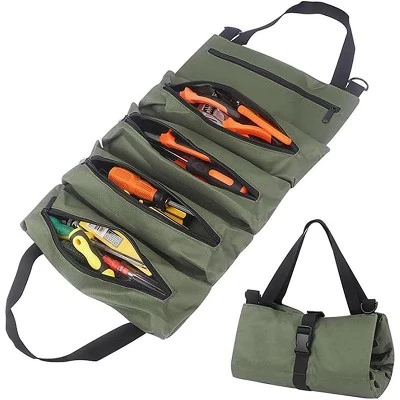
Wait, let’s talk about loading the bag first, because that’s half the battle. If you toss heavy stuff on top of light stuff, you’re gonna have a bad time. Always load your bag strategically: place the heaviest tools (like drills, nail guns, or soil tillers, depending on your bag type) at the bottom, centered. That keeps the bag’s center of gravity low, so it doesn’t tip when you carry or roll it. If you have sharp tools (like shears or screwdrivers), make sure they’re in a dedicated pocket or wrapped in a rag so they don’t poke through the bag or scratch your hand when you grip it. And don’t overpack— I see so many cramming every single tool into the bag until the seams are stretching. Our bags are rated for a specific weight (our standard heavy duty models handle up to 60 lbs, the large ones up to 80 lbs, for reference), so pushing past that not only strains the straps and zippers but also makes the bag way harder to control when you move it.
Another common mistake: dragging the bag. I get it—you’re in a hurry, and dragging seems faster than lifting. But dragging a heavy bag, even for 10 feet, can tear the base, scratch your tools, and mess up your posture. If you’re on a work site and need to move it a short distance, set it down, adjust your grip, and pick it up properly—even if it takes an extra 10 seconds. Trust me, that’s way better than pausing to repair a torn bag mid-job.
What about when you’re loading it into a truck or van? Let’s keep this real—most of us don’t have a loading dock. We’ve got a pickup bed, a SUV trunk, or the back of a work van. If you’re lifting the bag up into a truck bed, don’t lift it straight up from the ground to chest height— that’s a one-way ticket to back pain. Instead, set it on the edge of the truck bed first, then swing it up from the knee. If the truck bed is too high, use a step stool or a ramp (even a small folding one) to reduce the weight you’re lifting. And never stack heavy tools on top of the bag when it’s in the truck— that’ll crush whatever’s inside and add unnecessary weight to your load when you’re driving.
Wait, let’s circle back to tote-style bags. A lot of folks love professional tool tote bags (/tool-bag/heavy-duty-tool-bag/professional-tool-tote-bag.html) for easy access—they’re open at the top, so you don’t have to unzip a whole bag to grab a wrench. But moving these totes safely requires a different approach too. Since they don’t have shoulder straps (usually), use both hands to carry them, keep them close to your body, and avoid rushing. If you’re carrying one up stairs, use the handrail for balance, and take it one step at a time—don’t bound up stairs with a full tote, that’s how you slip and spill tools (or worse, hurt yourself).


Let’s throw in a quick pro tip from our customer support team—we get questions about this all the time. If you do have to carry the bag for a long walk (like from the parking lot to a remote job site), take a 30-second break every 5 minutes to switch hands or adjust the strap. Your muscles get fatigued, and a quick break can prevent strain. Also, inspect your bag before each use—check the straps for fraying, the zippers for stuck debris, and the base for tears. Small issues turn into big problems fast when you’re hauling heavy gear. I once had a customer bring in a bag that had a frayed strap—he said he’d “fix it later,” and it snapped halfway through a job, dumping 50 lbs of tools onto a sidewalk. He got lucky and didn’t get hurt, but he had to replace half his tools. That’s not a risk you wanna take.
Now, let’s talk about the science behind why this works, just to back it up (no boring textbook stuff, promise). When you lift a heavy object with your legs, you’re using the biggest, strongest muscles in your body—your quadriceps and glutes—instead of straining your small back muscles. Distributing weight over multiple points (like using both shoulders for a strap, or wheels and a handle) reduces pressure on any single part of your body. Centering the weight in the bag keeps your center of gravity stable, so you don’t wobble or fall. It’s basic physics, really—when you align weight close to your body and spread load across strong points, you avoid injury and protect your gear.
Wait, what about if you’re moving the bag alone vs. with a partner? If you’ve got a buddy to help, split the load—one person at each end of the bag, instead of both gripping the same side. That way, the weight is evenly distributed, and you don’t have to strain to hold a bag lopsided. But if you’re alone, stick to the tips we covered: use the right bag for the job, lift with your legs, keep weight centered, and take it slow.
Let’s also address a common myth: “I’ve been moving heavy bags for 10 years this way, no problem.” Yeah, until one day you do have a problem. I’ve seen tradespeople in their 20s with chronic back pain because they skipped proper lifting techniques for years—stuff that sticks with you. It’s not about being weak; it’s about being smart. Investing a little time in how you move your tools saves you from days or weeks off the job, and saves you from replacing damaged tools or bags.
If you’re still not sure which bag is right for your needs, that’s what we’re here for. Whether you need a flexible tote for quick access, a rolling bag for long hauls, a shoulder-strap bag for on-the-go, or a heavy duty garden tool bag specifically designed for outdoor use, we’ve got you covered. We’ve built every one of our heavy duty tool bags to stand up to the abuse of real job sites, but even the best bag only works if you move it correctly.
At the end of the day, moving a heavy duty tool bag safely isn’t rocket science—it’s about being intentional about your posture, your load distribution, and using the right gear for the job. Skip the lazy shortcuts (dragging, overpacking, yanking with one shoulder) and you’ll avoid injuries, keep your tools in good shape, and get the job done faster. If you’re a contractor, landscaper, mechanic, or tradesperson looking to upgrade your tool hauling setup or have questions about moving bags safely, reach out to us to chat—we’re here to help you make work easier, safer, and less painful.
References
- Occupational Safety and Health Administration (OSHA). (2022). Guidelines for manual material handling in construction and industrial settings. U.S. Department of Labor.
- National Institute for Occupational Safety and Health (NIOSH). (2021). Work-related musculoskeletal disorders prevention for manual lifting and carrying tasks. Centers for Disease Control and Prevention.
- Tool and Equipment Manufacturers Association (TEMA). (2020). Best practices for transporting heavy-duty tool storage and equipment. TEMA Industry Standards.