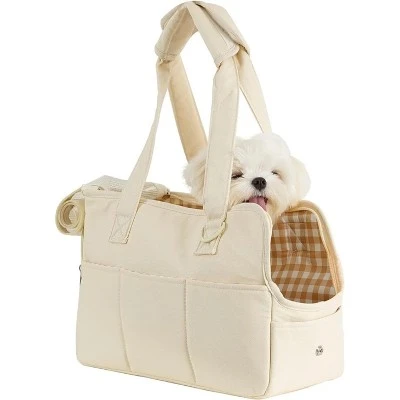
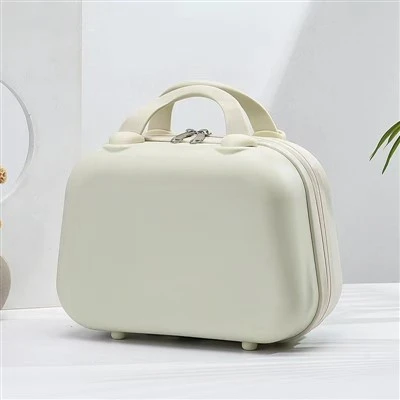

If you’ve ever rushed to catch a flight with a half-packed duffel slung over one shoulder, a water bottle leaking into your workout gear, and a separate sneaker bag that’s just one more thing to juggle, you know sports travel bags aren’t just “bags”—they’re the unsung workhorses of active people’s lives. As someone who’s spent years in the sports travel bag supply side (that’s me, just a regular person who’s also got a front-row seat to what works for athletes, weekend warriors, and travel teams alike), I get how overwhelming it is to sort through all the “top brand” claims online. Today, let’s cut through the hype and figure out what actually makes a great sports travel bag, and which brands are worth your cash.
First, let’s stop with the vague “best” label. A cross-country soccer player needs something totally different than a gym rat who travels for work, right? Your ideal bag hinges on two things: your specific use case, and how a brand delivers on small, real-world details (not just flashy logos). I’ve seen so many brands drop the ball here—they market a “waterproof” bag that still lets sweat soak through the bottom, or brag about “plenty of space” only to cram everything tight and break a zipper on the first trip.
Let’s start with the most common use case: regular gym-goers who travel for work. If you’re rolling up to a hotel gym 3 times a week, you need something compact but tough. You don’t want a bag that’s so big it feels empty and awkward, but you also don’t want to leave your protein powder, resistance bands, and extra socks behind. Let’s talk about mid-tier and popular brands first—Nike and Adidas are go-tos for a reason, but they’re not perfect. Their bags often skimp on niche stuff: no dedicated shoe pocket that keeps dirt off your clean clothes, no water-resistant lining for sweaty gear. That’s where brands like Under Armour sometimes fall short too—they’re great for on-field stuff, but not always for the multi-day travel commute.
Wait, let’s circle back to what I know, since I’m on the supply side. One of the biggest mistakes buyers make is assuming all sports bags are one-size-fits-all. For example, if you’re a team coach loading up 5 players’ gear for a weekend tournament, you need a large capacity sports travel bag that doesn’t weigh a ton when empty. The big name brands make these, but many of them use flimsy zippers that break after a few uses. I’ve seen a lot of buyers miss out on factory direct options here, but that’s not a knock on the brands—sometimes big name production lines cut corners to hit price points.
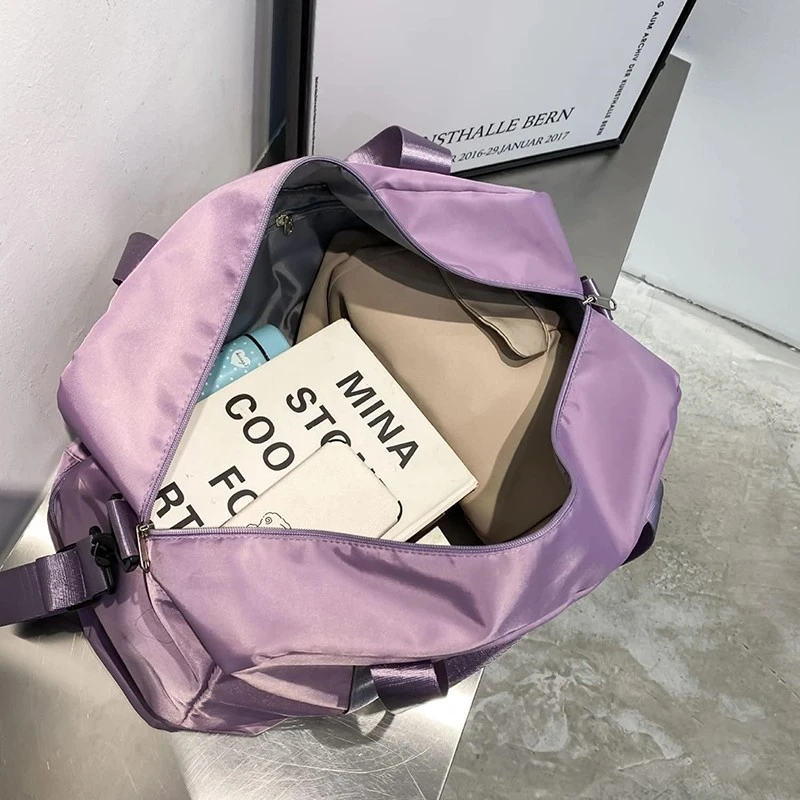

Now, let’s get specific with actual scenarios. Let’s say you’re a weekend hiker who drives to trailheads, but also takes a 3-day road trip to a new trail system. You want a bag that can fold up small when you’re done, so it doesn’t take up trunk space on the drive home. Brands like Patagonia make solid foldable sports travel bags, but they’re pricey—and I’ve had customers tell me they tore after a few rough trips. A lot of people don’t know that foldable options from factory sources can be just as durable, at a fraction of the cost. That’s not to say big brands are bad, but it’s important to match the brand’s design to your needs, not just the logo.
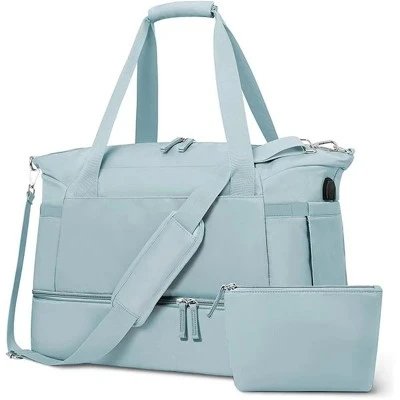
What about the people who travel with gear that gets… well, messy? Let’s say you’re a weightlifter who brings dirty shoes, lifting straps, and a chalk bag everywhere. You need a bag with a separate, lined pocket for shoes, so you don’t get gym grime all over your t-shirts and laptop. A lot of the top mid-range brands don’t offer that as a standard feature—most shoe pockets are just a loose section, no waterproof lining. That’s where custom options or more niche brands shine. Some smaller brands specialize in these details, but the downside is they often have long lead times or high minimums if you’re buying in bulk for a team. As a supplier, I can tell you that factory direct options for custom travelling bag with shoes bag hit that sweet spot: you get the dedicated lined shoe pocket, you can tweak the size, and you don’t pay the markup that comes with brand name retail.
Wait, let’s address the “luxury” side too. If you’re someone who prefers a bag that looks good enough to take to a fancy hotel event after the gym, not just the gym itself, waterproof leather gym bags are a thing. Brands like Tumi make leather options, but they’re super expensive, and you have to baby them—no throwing them in the back of a rideshare, no getting caught in a downpour. The waterproof leather options from reputable factories actually hold up way better for real life: they’re stain-resistant, the leather is tough enough to handle being tossed around, and they don’t cost $300 for a weekend bag. Again, it’s not about the brand name here—it’s about the material and the build.
Let’s talk about what makes a brand worth investing in, regardless of how big or small it is. I’ve worked with a lot of brands over the years, and the top ones all have three things: 1) they listen to what users actually need, not just what marketing teams think people want, 2) they don’t cut corners on the parts that matter (zippers, lining, strap reinforcement), and 3) they offer clear, honest sizing and features—no false “waterproof” claims that only mean it repels a tiny bit of moisture. For example, one big brand once advertised a “waterproof gym bag” to me that got totally soaked during a rainstorm; that’s the kind of thing that makes people trust specific brands less.
Now, let’s bust a common myth: you don’t have to choose between a popular brand and a bag that fits your exact needs. A lot of the best features people rave about (dedicated shoe pockets, foldable design, large storage) are available from a mix of big-name retail brands and reliable factory sources. Let’s break down specific bag types, because that’s how you’ll find the right one for you, not just a “best brand” list:
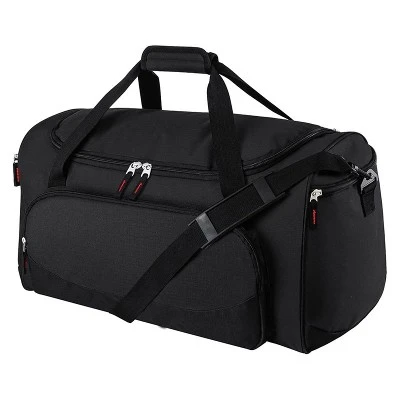
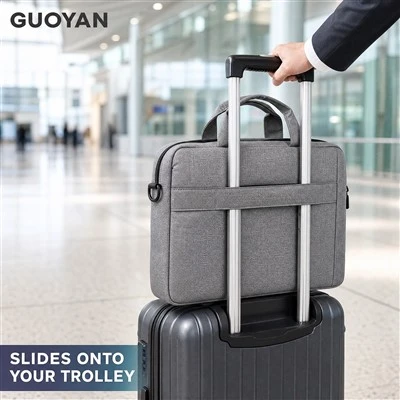
- If you’re a frequent business traveler who hits the gym on work trips: Go for something compact but structured, with a strap that can turn into a carry-on. Big brands like Nike have these, but if you’re buying in bulk for a team or just want something more durable, check out the large capacity sports travel bag options—they’re built to hold a week’s worth of workout gear and clothes, and they have reinforced handles that don’t dig into your shoulder after 2 hours of traveling.
- If you’re a gym rat who never leaves home without their gear and hates being weighed down: A lightweight foldable sports travel bag is your jam. The big outdoor brands make them, but I’ve seen factory-made versions that are just as light and hold up to being stuffed in a purse or backpack when not in use.
- If you’re someone who travels with messy gear (shoes, sweaty clothes, sports equipment): The custom travelling bag with shoes bag is non-negotiable. Big name brands rarely offer this as a standard feature, so your best bet is either a niche brand that focuses on gym-specific bags or a factory that can build exactly what you need.
- If you want a bag that looks nice enough for both the gym and casual outings: Waterproof leather gym bags are perfect here. Avoid the super high-end brands if you plan to use it regularly—many of them aren’t built for heavy use, but quality factory-made leather options are tough, water-resistant, and way more affordable.
Now, let’s get into the elephant in the room: brand loyalty. A lot of people stick to one brand because they’ve used it before, but sometimes that brand changes their design and cuts corners. I’ve had customers come to me upset because their go-to brand switched to cheaper zippers and their bag broke after 3 months. That’s why it’s so important to look at the specific features of a bag, not just the logo. The best brand for you is the one that checks all your boxes: durable zippers, dedicated pockets for your gear, the right size for your trips, and a price that works for you.
As someone in the supply side, I’ll be honest: I don’t sell the big-name retail bags. But I’ve seen first-hand what separates a great sports travel bag from a dud. The brands that last aren’t the ones with the biggest logos—they’re the ones that listen to their customers. For example, a few years back, a big brand tried to launch a “travel-friendly gym bag” that had a separate laptop pocket, but users complained it was too small for a 15-inch laptop. Instead of ignoring that, a smaller niche brand adjusted their design, and it became their best-selling product. That’s the kind of brand you want to support—one that cares about what you actually need.
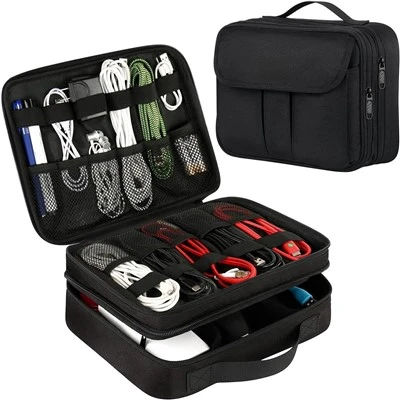
Wait, let’s also talk about small, easy-to-miss details that make a brand stand out. Does the bag have a padded shoulder strap that doesn’t slip? Does it have a front pocket big enough for your phone, keys, and wallet without you having to dig through the whole bag? Does it have a water-resistant lining for sweaty clothes, so it doesn’t ruin your other stuff? Big name brands often overlook these small things—they’re too focused on new designs and marketing—while smaller, customer-focused brands nail them. That’s where a lot of people get tripped up: they’ll buy a bag from a popular brand because of the logo, only to realize the front pocket is too small for their phone.
Now, let’s wrap this up with a clear guide for how to pick what’s right for you, and where to find the options that fit. First, ask yourself three questions: 1) How do I mostly use this bag? (Travel for work? Weekend workouts? Team tournaments? Hiking?) 2) What non-negotiable features do I need? (Dedicated shoe pocket? Foldable? Waterproof?) 3) What’s my budget?
If you’re buying for personal use, popular brands like Nike, Adidas, and Under Armour are safe bets, but make sure to check the specific features of the bag you’re getting, not just the brand name. If you’re buying in bulk, or if you have specific needs (like a custom bag with a shoe pocket, or a large capacity bag that can hold 10 players’ gear), factory direct options are often a better value and can be customized to your needs. For example, if you need a bag that’s perfect for your team’s weekend tournaments, checking out the large capacity sports travel bag options from reliable factories will save you money and get you exactly what you need. If you’re a weightlifter who hates dirty shoes getting mixed with your clean clothes, a custom travelling bag with shoes bag will solve that problem way better than a generic brand’s bag.
And for anyone who’s had bad experiences with sports bags that broke after a few uses: you’re not alone. The good news is, there are brands out there that prioritize durability and real user needs, not just flashy logos. The best brand for you isn’t the one that everyone talks about—it’s the one that matches your specific routine, your gear, and your budget.
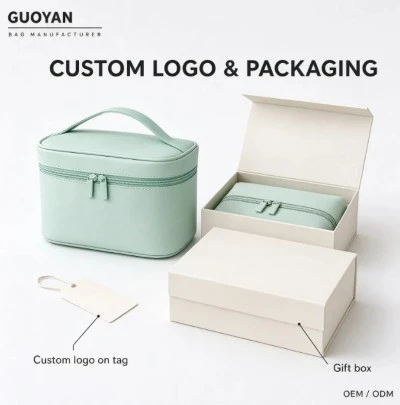
Before I wrap up, I want to make a quick note: if you’re a coach, a team manager, or just someone who needs to order multiple sports travel bags, don’t hesitate to reach out to discuss your specific needs for custom or bulk options. Whether you’re looking for a Factory OEM Waist Bag With 3-Zipper Pockets for individual team members, a Foldable Sports Travel Bag for weekend getaways, a Waterproof Leather Gym Bag for a more polished look, a Custom Travelling Bag With Shoes Bag for messy gear, or a Large Capacity Sports Travel Bag for team trips, we can work with you to build something that fits exactly what you need.
At the end of the day, the best sports travel bag is the one that makes your life easier, not the one with the biggest logo. Don’t get caught up in brand hype—focus on the features that matter for your trips, your gear, and your budget.
References:
- Consumer Reports. (2024). Sports and Gym Bag Durability Study. Retrieved from Consumer Reports website
- Outdoor Industry Association. (2023). Active Travel Gear Consumer Preferences Report. Retrieved from Outdoor Industry Association website
- Sports Bag Manufacturers Association. (2024). Standard Features for High-Performance Sports Travel Bags. Retrieved from Sports Bag Manufacturers Association website