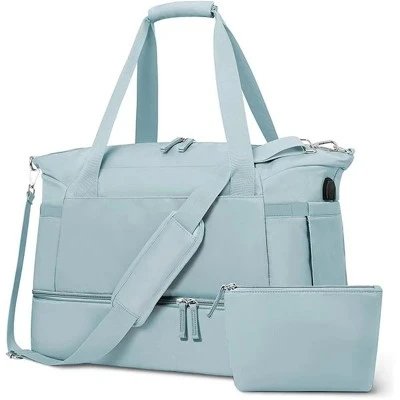

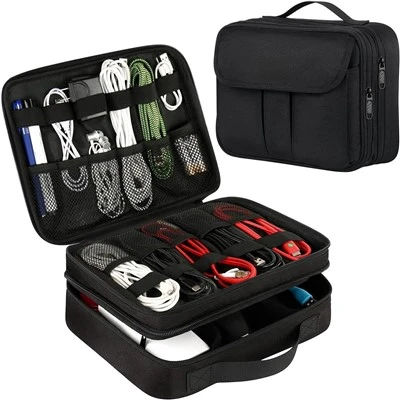
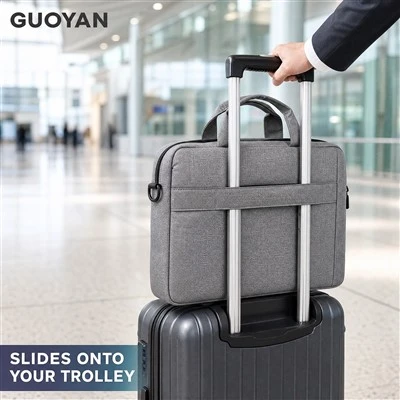
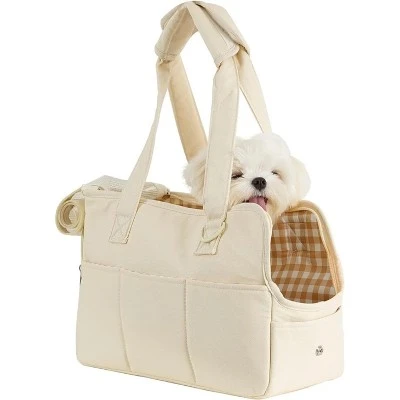

As a seasoned provider of tote insulated bags, I've witnessed the diverse and practical applications of these versatile accessories in countless scenarios. Tote insulated bags are more than just containers; they're essential tools for keeping items fresh, whether it's a picnic in the park, a day at the beach, or a busy workday. In this blog, I'll share the best ways to pack a tote insulated bag to maximize its efficiency and functionality, ensuring your items stay at the desired temperature for as long as possible.
Understanding Your Tote Insulated Bag
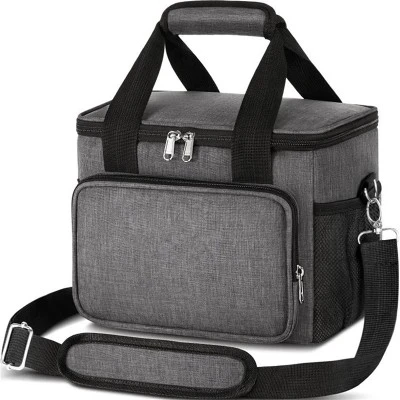
Before you start packing, it's crucial to understand the features and capacity of your tote insulated bag. Different models offer various levels of insulation, sizes, and compartments. For instance, our Leakproof Insulated Cooler Tote Bag is designed to prevent leaks, making it perfect for carrying liquids or items with high moisture content. On the other hand, the Large Insulated Tote Bag provides ample space for bulkier items, while the Large Soft Expandable Thermal Bag For Adults Work offers flexibility and can adapt to different loads.


Preparing Your Tote Insulated Bag
Pre - cooling or Pre - heating
If you're packing perishable items that need to stay cold, pre - cool your tote insulated bag. Place ice packs or frozen items inside the bag and let it sit for at least 15 - 30 minutes before packing. This helps to lower the internal temperature and creates a colder environment for your items. Conversely, if you're using the bag to keep hot items warm, pre - heat the bag by filling it with hot water for a few minutes, then empty it out before packing.
Cleaning
Ensure that your tote insulated bag is clean and dry before packing. A dirty bag can contaminate your food or other items and may also affect the insulation performance. Use a mild detergent and warm water to clean the interior and exterior of the bag, and then let it air - dry completely.
Packing Strategies
Layer Your Items
Layering is a key technique when packing a tote insulated bag. Start by placing a layer of ice packs or frozen items at the bottom of the bag. This creates a cold base that helps to keep the rest of the items chilled. Then, add your food and drinks in layers, alternating between items and ice packs. This ensures that the cold is evenly distributed throughout the bag.
Group Similar Items Together
Grouping similar items together makes it easier to find what you need and also helps with temperature management. For example, keep all the drinks in one section and the food items in another. If you have different types of food, separate them based on their temperature requirements. For instance, raw meats should be kept separate from ready - to - eat foods to prevent cross - contamination.
Use Compartments Wisely
Many tote insulated bags come with multiple compartments. Utilize these compartments to their full potential. For example, you can use the smaller side compartments for storing condiments, utensils, or smaller items that you need to access easily. The main compartment is ideal for larger items such as sandwiches, fruits, and larger containers.
Fill Empty Spaces
Empty spaces in the tote insulated bag can allow cold air to escape, reducing the overall insulation efficiency. Fill any gaps with items like napkins, extra ice packs, or even small towels. This helps to maintain a consistent temperature inside the bag.
Consider the Weight Distribution
Try to distribute the weight evenly in the tote insulated bag. If one side is heavier than the other, it can affect the balance of the bag and make it more difficult to carry. Place heavier items towards the bottom and center of the bag to keep it stable.
Packing Different Types of Items
Food Items
When packing food, wrap them properly to prevent spills and leaks. Use sealable plastic bags for sandwiches, fruits, and other small items. For larger items like cakes or pies, place them in rigid containers to keep their shape and prevent them from getting squished. If you're packing raw meats, make sure they are well - wrapped and placed in a separate container to avoid any contact with other foods.
Drinks
For canned or bottled drinks, you can stack them in an organized manner. You can also use beverage holders or dividers if your tote insulated bag has them. If you're packing drinks in thermal flasks, make sure the lids are tightly sealed to prevent any leakage.
Cold Packs and Ice
The number of cold packs or ice you need depends on the size of the tote insulated bag and the duration you need to keep the items cold. As a general rule, place enough cold packs to cover about one - third to one - half of the total volume of the bag. If you're using ice, crush it into smaller pieces to increase its surface area and improve cooling efficiency.
Maximizing Insulation
Keep the Bag Closed
Once you've packed your tote insulated bag, keep it closed as much as possible. Every time you open the bag, cold air escapes, and warm air enters, which can raise the internal temperature. Only open the bag when necessary and close it quickly.
Protect the Bag from Heat Sources
Avoid placing the tote insulated bag in direct sunlight, near hot engines, or other heat sources. Excessive heat can penetrate the insulation and cause the temperature inside the bag to rise. If possible, place the bag in a shaded area or use a blanket to cover it.
Conclusion
Packing a tote insulated bag properly is an art that can significantly enhance its performance. By understanding your bag, preparing it correctly, using effective packing strategies, and maximizing insulation, you can ensure that your items stay fresh and at the desired temperature for longer periods.
If you're interested in our high - quality tote insulated bags and want to discuss procurement, feel free to reach out. We're always ready to assist you in finding the perfect solutions for your needs.
References:
- General knowledge and experience in the tote insulated bag industry.
- Practical experiments and observations on packing and using tote insulated bags.