

Hey there! If you’ve ever shopped around for a sports travel bag—whether for weekend tournaments, cross-country road trips to practices, or just stuffing a change of clothes and gear for a quick getaway—you’ve probably stared at the price tag and thought, “Is this actually worth it?” As someone who’s been in the sports travel bag game for years (I’ve heard every question from casual gym-goers to high school coaches about this exact thing), I’m here to break down the real cost-effectiveness of these bags. Not just the upfront cost, but the hidden money you save over time, and why a $20 cheap bag might end up costing you way more in the long run.
Let’s start with the basics: cost-effectiveness isn’t just about how little you pay right now. It’s about value over time—how well a bag holds up, how much it solves actual problems, and whether it pays for itself in reduced stress, lost gear, or replacement costs. Let’s dive into the numbers, the small annoyances that add up, and how the right sports travel bag checks all those boxes.
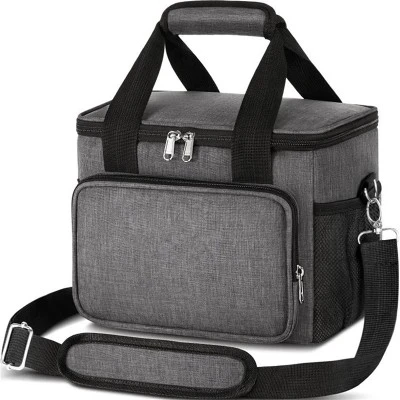
First off, let’s talk about the replacement cycle. I see this all the time: someone grabs the cheapest duffel at a big box store for $15. It works for, like, three trips before the shoulder strap frays, a seam splits open when they stuff in cleats and a uniform, or the bottom gives out and all their gear spills in the parking lot. Now they’re back out $15, plus maybe $10 for replacing a water bottle or a pair of sunglasses that fell out. Do that three times in a year, and that’s $45—more than a decent mid-range sports travel bag. And that’s not even counting the lost gear. I had a customer last year (a mom of two soccer players) tell me she bought three cheap bags in six months because her kids kept ripping zippers mid-tournament. By switching to a durable, well-constructed bag like our Kids Duffel Sport Travel Bag, she’s only had to buy one in 18 months—and her frustration with missing shin guards or smelly uniforms got way better. That’s a small win, but it adds up.


Durability is where a lot of people skip the fine print, and it’s the biggest driver of cost-effectiveness. Cheap bags are made with thin, flimsy fabrics (usually low-grade polyester that tears at the slightest rub against a bleacher or a car door), plastic zippers that break after a handful of uses, and shoulder straps that aren’t reinforced. A quality sports travel bag, on the other hand, uses materials like heavy-duty 600D or 1680D nylon, YKK zippers (you’ve probably heard of them—they’re the ones that rarely jam or snap), and straps with double stitching that can hold 50+ pounds of gear without pulling out. Let’s do quick math: if a cheap bag lasts 20 uses, and a $60 quality bag lasts 200 uses, the per-use cost is $0.75 vs. $0.30. Wait—so the more expensive one is cheaper per use? That’s the sweet spot of cost-effectiveness no one talks about. Plus, you’re not dealing with that last-minute panic when a torn bag ruins a game day.
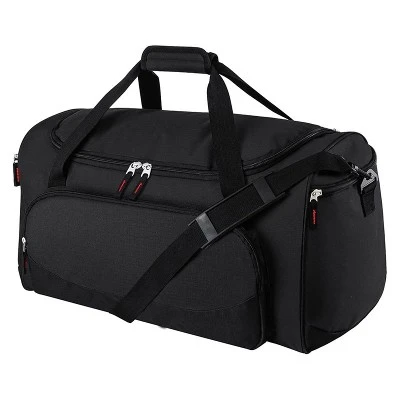
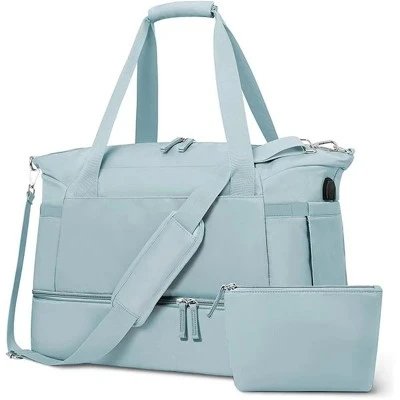
Now, let’s get into functional features that save you money and hassle. A lot of people don’t realize that a sports travel bag isn’t just a bag—it’s a tool that organizes your stuff so you don’t have to repurchase things you lost. Let’s say you have a separate gym bag that doesn’t have a shoe compartment. You throw your cleats and sweaty uniform in with your towel and water bottle. After a few trips, your stinky gear makes your whole bag smell like a locker room, so you have to buy a separate laundry bag (another $5-$10) to keep them separate. Or worse—your cleat spikes puncture a hole in a cheaper bag, and that’s the end of its life. A bag with a dedicated shoe pocket, like our Custom Travelling Bag With Shoes Bag, eliminates that. No more stinky cross-contamination, no more punctures, no more spending extra on extra bags. That’s a hidden cost savings right there.
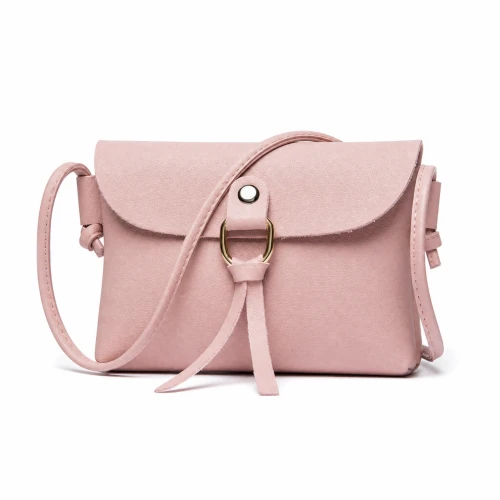
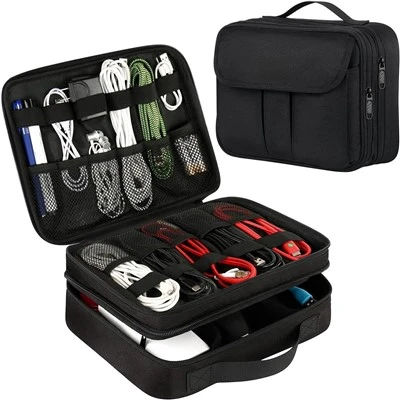
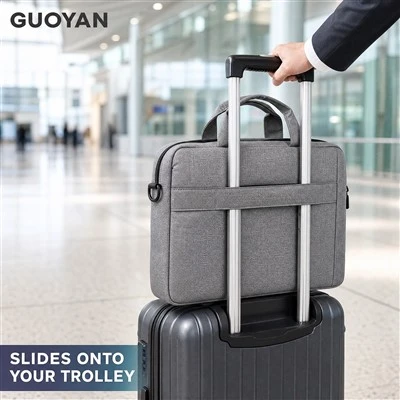
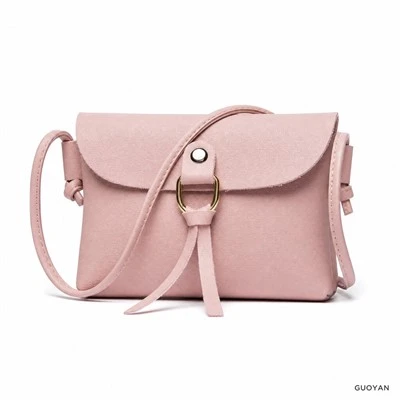
Another big one: specialized bags for specific needs. Let’s take a mom of a teen athlete who also works from a coffee shop—she needs a bag that can hold a laptop and soccer gear. A regular duffel doesn’t have a padded compartment, so she has to carry her laptop in a separate bag ($30-$50) plus her sports bag. Our Gym Bag with Laptop Compartment solves that—one bag, both needs. No more hauling two bags, no more risking damage to your laptop because it’s not padded. Over a year, that’s one less item to buy, and less back pain from carrying extra stuff. For women who like to keep their hands free, a Fashion Clear Crossbody Bag For Women adds a clear pocket that’s perfect for airport security, game day check-ins, or quick trips from the car to the field—no fumbling through a big duffel for your ID or phone.
Wait, let’s not forget about weather. If you’re traveling to practice or a tournament in rain, snow, or even just humid weather, a cheap bag will soak through, leaving your uniform, gear, and even laptop (if you bring it) soaked. That means you have to wash your uniform more often (costing more in water and detergent, or having to buy extra uniforms to rotate) and replace any water-damaged items. A bag like our Waterproof Leather Gym Bag is made to repel water, so your stuff stays dry. No more extra laundry costs, no more ruined gear. That’s another quiet cost that adds up over time.
Now, let’s talk about the “convenience tax.” How much is your time worth? If you’re a coach who has to stop at three stores to replace a bag mid-season, or you’re a parent who has to pick up spilled gear off a parking lot, that’s time you could be spending with your kid, prepping for practice, or doing something you enjoy. A quality, cost-effective sports travel bag eliminates those headaches. I’ve had a college baseball coach tell me that switching to our custom bags (with team logos and extra gear pockets) cut his team’s lost gear by 70%. He used to spend 30 minutes every tournament looking for missing bats, gloves, or water bottles. Now he spends that time coaching. When you factor in the value of your time, a slightly pricier bag becomes a no-brainer.
I know what some of you are thinking: “But I only use this a few times a month. Why spend more on something I don’t use often?” Let’s test that. If you use your bag 10 times a year, a $15 bag that breaks after 5 uses costs you $3 per use (plus any lost gear). A $50 bag that lasts 5 years (so 50 uses) is $1 per use. Even if you use it less, the per-use cost is still way lower, and you don’t have to stress about replacing it every few months. For casual users, that’s still cost-effective—no need to shell out for a fancy bag, but skipping the $15 flimsy one is smart.
Wait, but is all sports travel bag the same? No, that’s why it’s important to match the bag to your needs. A kid who’s just starting soccer doesn’t need a $100 leather bag—our Kids Duffel Sport Travel Bag is durable, has a smaller size perfect for their gear, and is priced just right for parents who don’t want to overspend. A gym rat who brings work clothes to the gym and then office stuff will love the Gym Bag with Laptop Compartment. A woman who likes to go to both workouts and weekend trips will vibe with the Fashion Clear Crossbody Bag For Women, which is stylish but functional. And if you need something that grows with you, the Custom Travelling Bag With Shoes Bag can be tailored to fit your exact gear needs—whether you’re a runner, a basketball player, or just someone who needs to carry a towel, headphones, and a water bottle.
I also can’t ignore the environmental angle here, even if it’s tied to cost. A lot of cheap bags end up in landfills because they’re disposable. If you replace a bag every 6 months, that’s 2-3 bags a year, 20 bags over a decade. A quality bag that lasts 5-10 years is one-tenth of that waste. Some people see that as a “nice extra,” but it’s also a way to save money in the long run—you don’t have to keep buying new bags, which means less money going to consumer goods that you’ll just throw away.
Let’s wrap this up with a real example from my own customer base. Last quarter, a family bought our Waterproof Leather Gym Bag and the Kids Duffel Sport Travel Bag for their two kids who travel to soccer tournaments twice a month. Before that, they spent about $80 a year on replacement bags and lost gear. Now, a year later, they’ve only had to buy these two bags, and they tell me they haven’t lost a single item since. The bags cost them $120 total (split between two kids), but they saved $80 in replacement costs and no longer have to replace lost cleats, uniforms, or water bottles. That’s a $40 savings in the first year, and then zero replacement costs after that. By year three, they’ve recouped the entire cost of the bags and are just saving money. That’s the definition of cost-effectiveness.
So, at the end of the day, the cost-effectiveness of a sports travel bag isn’t about picking the cheapest one. It’s about finding a bag that’s durable, fits your specific needs (shoe compartments? laptop slots? weather protection?), lasts for a long time, and saves you from hidden costs like replacement bags, lost gear, extra laundry, and stress. You don’t have to go for the most expensive bag out there, but skipping the super cheap, flimsy ones will almost always save you money in the long run.
If you’re ready to find the right bag that fits your needs—whether you’re shopping for your kid, need a bag that carries your laptop and gym gear, or want something customizable for your team—we’ve got options. We’ve got the Kids Duffel Sport Travel Bag for little athletes, the Custom Travelling Bag With Shoes Bag to organize all your gear, the Fashion Clear Crossbody Bag For Women for on-the-go convenience, the Waterproof Leather Gym Bag for bad weather, and the Gym Bag with Laptop Compartment for folks who balance work and workouts.
If you’re looking to buy for yourself, your family, or even a whole team, we’re here to help you pick the right bag that fits your budget and needs. Don’t waste money on a cheap bag that falls apart in three trips—invest in a sports travel bag that works for you for years. Hit us up to talk through your needs and find the perfect match.
References:
- Outdoor Industry Association. (2022). Gear Lifecycle & Consumer Purchase Behavior Report. Retrieved from industry resources on durable sports equipment replacement cycles.
- Consumer Reports. (2021). Best Gym Bags for Durability and Functionality. Analysis of per-use cost and replacement frequency for athletic bags.
- American Academy of Pediatrics. (2020). Organized Youth Sports: Reducing Lost Gear and Parental Stress. Recommendations for functional athletic bags for young athletes.