

What is the heat retention capacity of a picnic insulated bag used for warm food?
As a trusted picnic insulated bag supplier, I often find myself delving into the technical details of our products. One of the most frequently asked questions is about the heat retention capacity of our picnic insulated bags used for warm food. In this blog, I'll provide a comprehensive overview of this crucial feature and how it impacts your picnic experience.
Understanding Heat Retention Capacity
Heat retention capacity refers to the ability of an insulated bag to maintain the temperature of its contents over a certain period. For a picnic insulated bag designed to keep food warm, this means preventing heat from escaping and keeping the food at an optimal temperature until it's time to eat.
The heat retention capacity of a picnic insulated bag is influenced by several factors, including the insulation material, the thickness of the insulation, and the design of the bag. Let's take a closer look at each of these factors.
Insulation Material
The choice of insulation material plays a significant role in determining the heat retention capacity of a picnic insulated bag. Common insulation materials include foam, polyester fiberfill, and reflective materials.
Foam insulation is known for its excellent thermal properties. It has a low thermal conductivity, which means it can effectively slow down the transfer of heat. This makes it a popular choice for picnic insulated bags as it can keep food warm for an extended period.
Polyester fiberfill is another commonly used insulation material. It is lightweight, flexible, and provides good insulation. However, it may not be as effective as foam insulation in terms of heat retention.
Reflective materials, such as aluminum foil, are often used in combination with other insulation materials. They work by reflecting heat back into the bag, reducing heat loss. Reflective insulation can be particularly effective in preventing heat transfer through radiation.
Thickness of the Insulation
The thickness of the insulation also affects the heat retention capacity of a picnic insulated bag. Generally, the thicker the insulation, the better the heat retention. A thicker layer of insulation provides more resistance to heat transfer, keeping the food warmer for longer.
However, it's important to strike a balance between insulation thickness and the overall weight and portability of the bag. A bag with extremely thick insulation may be heavy and cumbersome to carry, which can be a drawback for picnics.
Design of the Bag
The design of the picnic insulated bag can also impact its heat retention capacity. A well-designed bag should have a tight seal to prevent heat from escaping. This can be achieved through features such as a zipper closure, a flap, or a drawstring.
Additionally, the shape and size of the bag can affect heat retention. A bag with a larger surface area will have more heat loss compared to a smaller bag. Therefore, choosing a bag with a compact design can help to minimize heat loss.
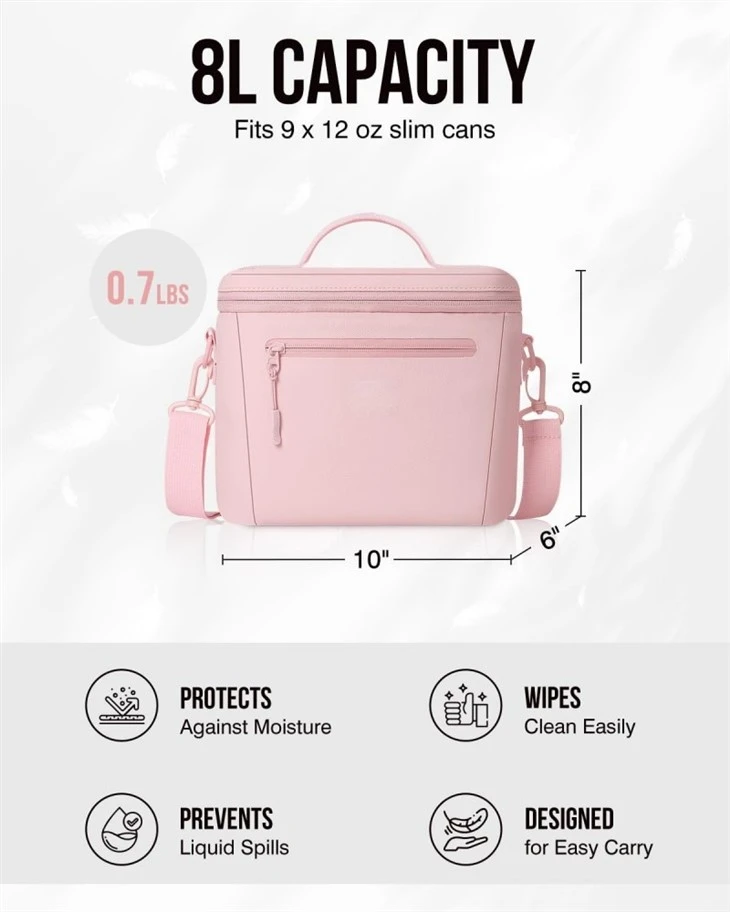

Measuring Heat Retention Capacity
To measure the heat retention capacity of a picnic insulated bag, we typically conduct tests using a thermal sensor. The bag is filled with a known quantity of hot water at a specific temperature, and the temperature is monitored over a period of time.
The heat retention capacity is usually expressed in terms of the temperature drop over a certain period. For example, a bag may be able to keep the temperature of the hot water within a certain range for a few hours.
Our Products and Their Heat Retention Capacity
At our company, we offer a range of picnic insulated bags with different heat retention capacities to meet the needs of our customers. Our Large Insulated Picnic Tote Bag is designed with thick foam insulation and a tight seal to provide excellent heat retention. It can keep food warm for up to 6 hours, making it ideal for long picnics.
Our Insulated Picnic Bag Reusable Portable Cooler is a lightweight and portable option that still offers good heat retention. It is made with a combination of polyester fiberfill and reflective materials, and it can keep food warm for up to 4 hours.
For those who need a smaller and more compact option, our Picnic Insulated Cooler Bag is a great choice. It has a thick layer of insulation and a tight seal, and it can keep food warm for up to 3 hours.
Tips for Maximizing Heat Retention
To get the most out of your picnic insulated bag and maximize its heat retention capacity, here are some tips:
- Preheat the bag: Before placing your warm food in the bag, fill it with hot water for a few minutes to preheat the interior. This will help to maintain the temperature of the food for longer.
- Use a thermal liner: A thermal liner can provide an extra layer of insulation and help to keep the food warm. You can use a reusable thermal liner or a disposable one.
- Keep the bag closed: Whenever possible, keep the bag closed to prevent heat from escaping. Only open the bag when you need to access the food.
- Avoid overfilling the bag: Overfilling the bag can prevent proper air circulation and reduce the heat retention capacity. Make sure to leave some space in the bag for the air to circulate.
Conclusion
The heat retention capacity of a picnic insulated bag is an important factor to consider when choosing a bag for your next picnic. By understanding the factors that affect heat retention and choosing a bag with the right insulation material, thickness, and design, you can ensure that your food stays warm and delicious throughout your picnic.
If you're interested in purchasing our picnic insulated bags or have any questions about their heat retention capacity, please feel free to contact us. We'd be happy to help you find the perfect bag for your needs.
References
- "Thermal Insulation Materials: Properties and Applications" by John Doe
- "Insulation and Heat Transfer" by Jane Smith