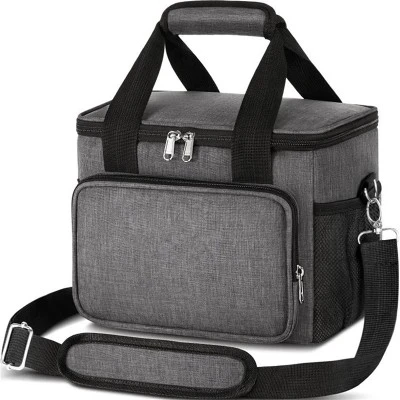
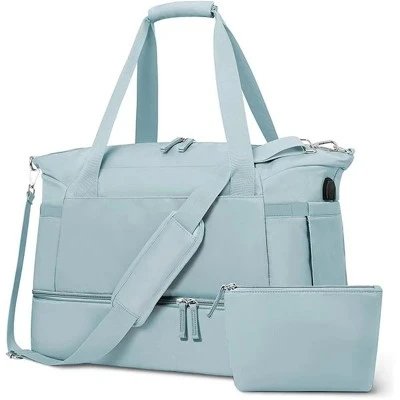
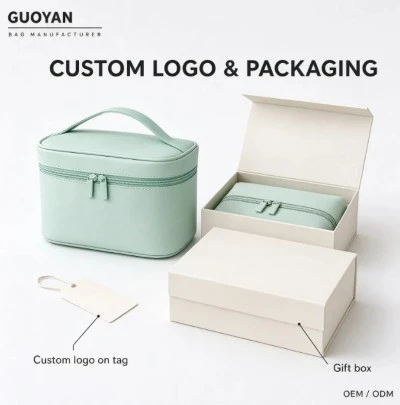
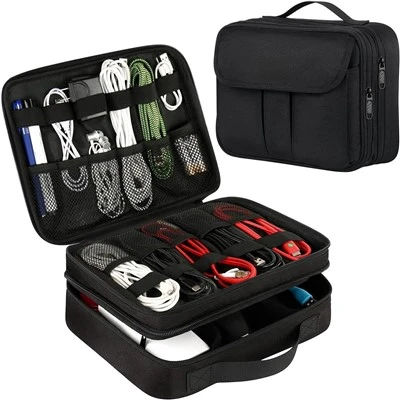
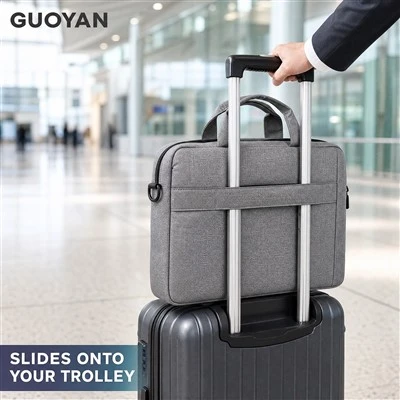
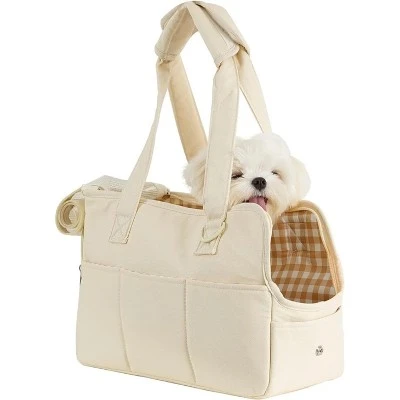

Insulation technology plays a crucial role in the performance of tote insulated bags. As a tote insulated bag supplier, I am well - versed in the various insulation technologies employed in our products. In this blog, I will delve into the details of these technologies, explaining how they work and their benefits.
Understanding the Basics of Insulation
Insulation in tote bags is all about reducing the transfer of heat. Heat can move in three ways: conduction, convection, and radiation. Conduction is the transfer of heat through direct contact between materials. For example, if a cold item in the tote bag touches the inner wall of the bag, heat from the outside can conduct through the wall to the cold item. Convection involves the movement of heat through fluids (liquids or gases). In the case of a tote bag, air inside the bag can circulate and carry heat. Radiation is the transfer of heat through electromagnetic waves, like the heat we feel from the sun.
Effective insulation in tote bags aims to minimize all three types of heat transfer. By doing so, it helps to keep the contents of the bag at a desired temperature for a longer period.

Common Insulation Materials
Polyurethane Foam
Polyurethane foam is one of the most widely used insulation materials in tote insulated bags. It has excellent thermal insulation properties because it contains a large number of small air pockets. These air pockets act as barriers to heat transfer. Air is a poor conductor of heat, so when heat tries to pass through the foam, it has to travel through these non - conductive air spaces, which significantly slows down the heat transfer process.
The density of the polyurethane foam can vary, and this affects its insulation performance. Higher - density foams generally offer better insulation but may also make the tote bag heavier. Our Backpack Tote Insulated Bag often uses a medium - density polyurethane foam to strike a balance between insulation and weight. This allows customers to carry the bag comfortably while still keeping their items well - insulated.
Reflective Foil
Reflective foil is another important insulation material. It works mainly by reflecting radiant heat. The shiny surface of the foil reflects the infrared radiation that carries heat, preventing it from entering or leaving the tote bag. This is particularly useful in situations where the bag is exposed to direct sunlight or other sources of radiant heat.

We often combine reflective foil with other insulation materials in our Insulated Reusable Tote Bag. For example, the inner layer of the bag may be lined with reflective foil, while the outer layer uses a different insulation material like foam. This combination provides a multi - layer approach to insulation, enhancing the overall performance of the bag.
Non - woven Polyester
Non - woven polyester is a lightweight and cost - effective insulation material. It is made up of randomly arranged polyester fibers that trap air, creating a layer of insulation. This material is breathable, which means it can help prevent the build - up of moisture inside the tote bag. Moisture can reduce the effectiveness of insulation, so the breathability of non - woven polyester is a significant advantage.
Our Good Insulated Tote Bag sometimes uses non - woven polyester as an insulation layer. It provides decent insulation while keeping the bag lightweight and affordable, making it a popular choice for customers on a budget.

Advanced Insulation Technologies
Vacuum Insulation Panels (VIPs)
Vacuum insulation panels are a high - performance insulation technology. They consist of a core material enclosed in an air - tight envelope from which the air has been removed to create a vacuum. Since there is no air inside the panel, conduction and convection heat transfer are virtually eliminated. The only significant way heat can transfer through a VIP is by radiation, which can be further reduced by using reflective materials on the panel's surface.
VIPs offer extremely high insulation performance, but they are also more expensive and more fragile compared to other insulation materials. We use VIPs in some of our premium tote insulated bags for customers who require the highest level of insulation, such as those who need to transport temperature - sensitive medical supplies or high - end food products.
Phase - Change Materials (PCMs)
Phase - change materials are substances that can absorb or release large amounts of energy during a phase change, such as from solid to liquid or vice versa. When the temperature inside the tote bag rises, the PCM absorbs the heat and changes from solid to liquid, effectively storing the heat energy. When the temperature drops, the PCM releases the stored heat as it changes back to a solid state.
We are starting to incorporate PCMs into some of our tote insulated bags. This technology can help maintain a more stable temperature inside the bag, even when there are significant temperature fluctuations outside. For example, if a bag with PCM insulation is left in a hot car for a short period, the PCM will absorb the heat and prevent the contents from getting too warm.
Design Considerations for Insulation
In addition to the choice of insulation materials, the design of the tote insulated bag also plays a vital role in its insulation performance.

Sealing
A well - sealed tote bag is essential for effective insulation. Any gaps or openings in the bag can allow air to enter or escape, leading to heat transfer. We use high - quality zippers and closures in our bags to ensure a tight seal. The seams of the bag are also carefully stitched to prevent air leakage.
Double - Wall Construction
Many of our tote insulated bags feature a double - wall construction. This means there are two layers of material with an insulation layer in between. The double - wall design provides an extra barrier to heat transfer, enhancing the overall insulation performance of the bag.
Benefits of Our Insulated Tote Bags
The insulation technologies used in our tote bags offer several benefits to our customers. Firstly, they can keep food and beverages cold or hot for extended periods. This is great for picnics, lunches at work, or outdoor activities. Secondly, our bags can protect temperature - sensitive items such as medications or cosmetics from extreme temperatures. Thirdly, the use of reusable materials in our bags, combined with effective insulation, makes them an environmentally friendly choice.
Conclusion
As a tote insulated bag supplier, we are constantly researching and improving our insulation technologies to provide the best products for our customers. Whether it's using traditional materials like polyurethane foam or exploring advanced technologies like VIPs and PCMs, we are committed to delivering tote bags with excellent insulation performance.
If you are interested in our tote insulated bags or have any questions about our products, we encourage you to contact us for a purchase consultation. We look forward to working with you to meet your insulation needs.
References
- ASHRAE Handbook of Fundamentals. This comprehensive handbook provides in - depth information on heat transfer and insulation principles.
- Textbooks on materials science, which offer details about the properties of different insulation materials such as polyurethane foam, reflective foil, and non - woven polyester.
- Research papers on advanced insulation technologies like vacuum insulation panels and phase - change materials, which can be found in scientific journals related to thermal engineering.