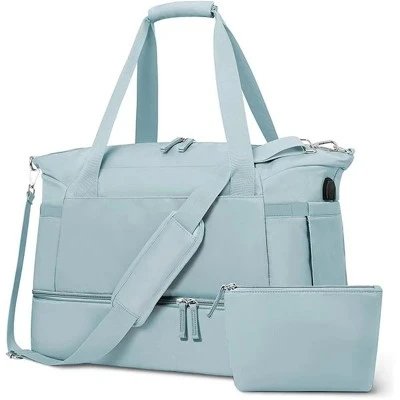
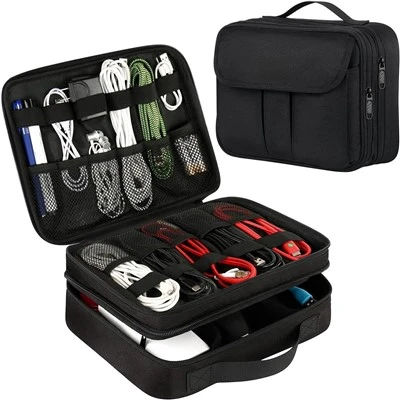
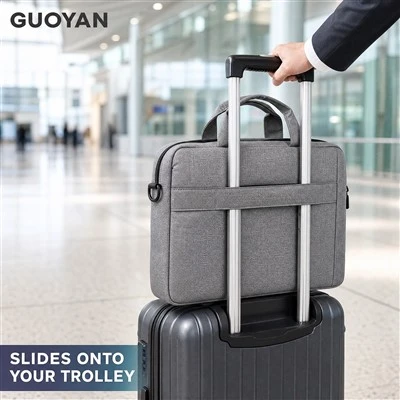

When it comes to large heavy-duty tool bags, the quality of stitching is a critical factor that directly impacts the bag's durability, functionality, and overall value. As a supplier of Link: Large Tool Bags Heavy Duty, I've witnessed firsthand how the stitching quality can make or break a tool bag's performance. In this blog, we'll delve into what defines high-quality stitching in large heavy-duty tool bags, why it matters, and what to look for when choosing such a bag.


Understanding the Basics of Stitching in Tool Bags
Stitching is not just about holding two pieces of fabric or material together; it's about creating a strong and reliable bond that can withstand the rigors of carrying and transporting heavy tools. In large heavy-duty tool bags, the stitching must be able to support the weight of the tools, resist abrasion, and endure repeated opening and closing of the bag.
There are several types of stitching commonly used in tool bag manufacturing:
- Single Stitch: This is the most basic type of stitching, consisting of a single line of thread. While it's the quickest and easiest to sew, it's also the weakest. Single stitch is often used for decorative purposes or in areas where there's minimal stress.
- Double Stitch: As the name suggests, double stitch involves two parallel lines of thread. This type of stitching is stronger than single stitch and is commonly used in high-stress areas of the tool bag, such as the handles, seams, and edges.
- Box Stitch: Box stitch is a reinforced stitch that creates a box-like pattern around a particular area, such as a pocket or a handle attachment. It provides extra strength and stability, making it ideal for areas that require additional support.
- Bar Tack Stitch: Bar tack stitches are short, dense stitches that are used to reinforce areas that are prone to tearing or stress, such as the corners of a pocket or the attachment points of a strap.
The Importance of High-Quality Stitching
High-quality stitching is essential for large heavy-duty tool bags for several reasons:
- Durability: A tool bag with high-quality stitching is more likely to last longer and withstand the wear and tear of regular use. The strong stitching prevents the bag from coming apart at the seams, even when carrying heavy tools or when subjected to rough handling.
- Functionality: Good stitching ensures that the pockets, compartments, and other features of the tool bag are securely attached and properly aligned. This makes it easier to organize and access your tools, improving efficiency on the job.
- Safety: A well-stitched tool bag is less likely to fail or break open unexpectedly, reducing the risk of tools falling out and causing injury. This is particularly important in industries where safety is a top priority, such as construction, plumbing, and electrical work.
- Value for Money: While tool bags with high-quality stitching may be more expensive upfront, they offer better value for money in the long run. You won't have to replace your tool bag as often, which can save you money in the long term.
Factors Affecting Stitching Quality
Several factors can affect the quality of stitching in large heavy-duty tool bags:
- Thread Quality: The type and quality of thread used in the stitching play a crucial role in determining the overall strength and durability of the tool bag. High-quality threads, such as nylon or polyester, are stronger and more resistant to abrasion and UV rays than lower-quality threads.
- Needle Size: The size of the needle used in the stitching process also affects the quality of the stitch. A needle that is too large can cause the fabric to tear, while a needle that is too small may not penetrate the fabric properly, resulting in a weak stitch.
- Stitching Tension: The tension of the thread during the stitching process is another important factor. If the tension is too loose, the stitch may come apart easily, while if the tension is too tight, it can cause the fabric to pucker or distort.
- Sewing Machine Quality: The quality of the sewing machine used to sew the tool bag also plays a role in the stitching quality. A high-quality sewing machine is more precise and consistent, resulting in better-quality stitches.
What to Look for in High-Quality Stitching
When choosing a large heavy-duty tool bag, here are some things to look for in terms of stitching quality:
- Even Stitches: The stitches should be evenly spaced and consistent in size and shape. Uneven stitches can indicate poor workmanship or a problem with the sewing machine.
- Tight Stitches: The stitches should be tight and secure, with no loose threads or gaps. Loose stitches can weaken the bag and make it more prone to tearing.
- Reinforced Seams: High-quality tool bags often have reinforced seams, which are extra stitches or layers of fabric added to the seams to make them stronger. Look for bags with double-stitched or bar-tacked seams, especially in high-stress areas.
- Proper Needle Holes: The needle holes should be small and neat, with no signs of fraying or tearing. Large or ragged needle holes can weaken the fabric and make the bag more susceptible to damage.
Our Approach to Stitching Quality
As a supplier of Link: Large Tool Bags Heavy Duty, we take stitching quality very seriously. We use only the highest-quality threads and sewing machines to ensure that our tool bags are built to last. Our experienced sewers are trained to pay attention to every detail, from the type of stitch to the tension of the thread, to ensure that each tool bag meets our strict quality standards.
In addition to using high-quality materials and techniques, we also conduct rigorous quality control checks at every stage of the manufacturing process. We inspect each tool bag for any defects or inconsistencies in the stitching, and if we find any issues, we take immediate steps to correct them.
Examples of High-Quality Stitching in Our Tool Bags
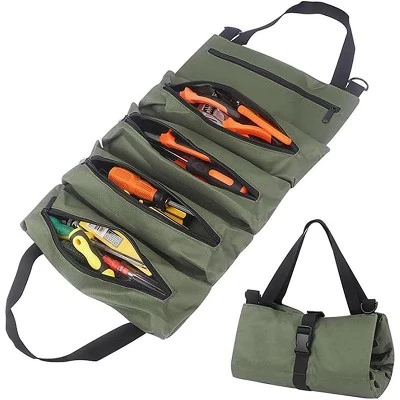
One of our most popular products, the Link: Canvas Heavy Duty Tool Bag, features high-quality stitching throughout. The handles and seams are double-stitched for extra strength, while the pockets are reinforced with box stitch and bar tack stitches. This ensures that the bag can withstand the weight of heavy tools and the rigors of daily use.
Another example is our Link: Heavy Duty Rolling Tool Bag, which is designed for maximum durability and functionality. The wheels and handles are attached using reinforced stitches to ensure that they can withstand the stress of rolling the bag on rough surfaces. The pockets and compartments are also securely stitched to prevent them from coming loose or tearing.
Conclusion
In conclusion, the quality of stitching in large heavy-duty tool bags is a crucial factor that should not be overlooked. High-quality stitching ensures that the tool bag is durable, functional, and safe to use. When choosing a tool bag, look for bags with even, tight stitches, reinforced seams, and proper needle holes. And if you're in the market for a high-quality large heavy-duty tool bag, consider our products, which are built to last.
If you're interested in purchasing our large heavy-duty tool bags or have any questions about our products, please contact us for more information and to start a procurement discussion. We look forward to serving you and helping you find the perfect tool bag for your needs.
References
- Smith, J. (2020). The Art of Sewing: A Comprehensive Guide. Sewing World Publications.
- Johnson, M. (2019). Tool Bag Design and Manufacturing: Best Practices. Industrial Tool Supply Journal.
- Williams, R. (2018). Stitching Techniques for Heavy-Duty Fabrics. Fabric Science Review.