

What is the strength of the straps on large tool bags heavy duty?
As a supplier of large heavy-duty tool bags, I've witnessed firsthand the critical role that straps play in the functionality and durability of these essential work companions. In this blog, we'll delve into the strength of the straps on large heavy-duty tool bags, exploring the factors that contribute to their robustness and why it matters in various work environments.

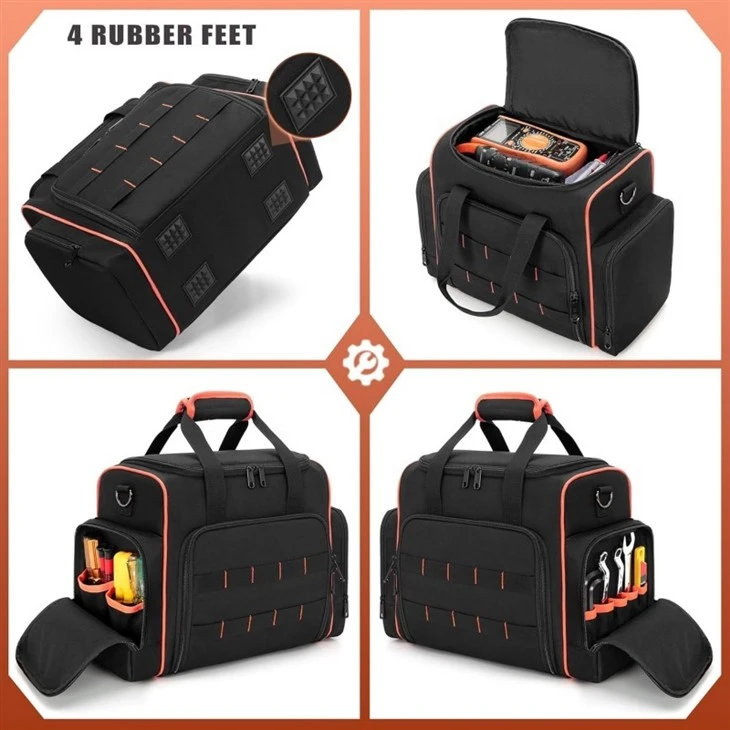
The Importance of Sturdy Straps
Large heavy-duty tool bags are designed to carry a substantial amount of tools and equipment, often weighing dozens of pounds. The straps on these bags are the primary means of transporting them, whether it's over the shoulder, across the back, or by hand. Therefore, the strength of the straps is paramount to ensure safe and comfortable handling.
A weak or poorly constructed strap can lead to a range of issues, including breakage, discomfort, and even injury. For example, if a shoulder strap snaps while carrying a heavy load, it can cause the bag to fall and potentially damage the tools inside or injure the user. On the other hand, a strong and reliable strap provides peace of mind, allowing workers to focus on their tasks without worrying about the integrity of their tool bag.
Factors Affecting Strap Strength
Several factors contribute to the strength of the straps on large heavy-duty tool bags. Understanding these factors can help you make an informed decision when choosing a tool bag that meets your specific needs.
Material Quality
The material used to make the straps is one of the most important factors in determining their strength. High-quality materials such as nylon, polyester, and leather are commonly used in heavy-duty tool bag straps due to their durability and resistance to wear and tear.
Nylon is a popular choice for tool bag straps because it is strong, lightweight, and resistant to abrasion. It also has good elasticity, which helps to distribute the weight of the bag evenly across the shoulder or back. Polyester is another strong and durable material that is often used in combination with nylon to provide additional strength and support.
Leather is a classic choice for tool bag straps, known for its strength, durability, and aesthetic appeal. However, leather straps can be more expensive than synthetic materials and require more maintenance to keep them in good condition.
Strap Width and Thickness
The width and thickness of the straps also play a significant role in their strength. Wider straps distribute the weight of the bag more evenly, reducing pressure on the shoulders and back. Thicker straps are generally stronger and more durable than thinner ones, but they can also be heavier and less flexible.
When choosing a tool bag, look for straps that are at least 2 inches wide and have a thickness of at least 1/8 inch. This will provide a good balance of strength and comfort.
Stitching and Reinforcement
The stitching and reinforcement of the straps are also important factors in their strength. High-quality tool bag straps are typically stitched with strong, durable thread and reinforced with additional layers of material at the stress points.
Look for straps that have double or triple stitching at the seams and edges, as this will help to prevent the strap from coming apart under heavy loads. Reinforcement patches at the attachment points and stress areas can also add extra strength and durability to the straps.
Attachment Points
The attachment points of the straps to the tool bag are another critical factor in their strength. The attachment points should be strong and secure, able to withstand the weight of the bag and its contents without coming loose or breaking.
Look for tool bags that have reinforced attachment points, such as metal D-rings or heavy-duty plastic clips. These attachment points should be securely sewn or riveted to the bag to ensure maximum strength and durability.
Real-World Applications
The strength of the straps on large heavy-duty tool bags is particularly important in industries such as construction, manufacturing, and automotive repair. In these industries, workers often need to carry heavy tools and equipment over long distances, and a reliable tool bag with strong straps is essential for getting the job done safely and efficiently.
For example, on Construction Sites Heavy Duty Tool Bag, workers may need to carry a variety of tools, including hammers, drills, and wrenches, from one location to another. A tool bag with strong straps can help to distribute the weight of these tools evenly across the body, reducing the risk of fatigue and injury.
In the manufacturing industry, workers may need to carry heavy parts and components from one workstation to another. A heavy-duty tool bag with strong straps can provide a convenient and efficient way to transport these items, allowing workers to focus on their tasks without having to worry about the weight of the bag.
In the automotive repair industry, mechanics often need to carry a variety of tools, including sockets, wrenches, and pliers, to different vehicles. A tool bag with strong straps can help to keep these tools organized and easily accessible, allowing mechanics to work more efficiently and effectively.
Maintenance and Care
To ensure the longevity and strength of the straps on your large heavy-duty tool bag, it's important to take proper care of them. Here are some tips for maintaining and caring for your tool bag straps:
- Clean the straps regularly: Use a mild soap and water to clean the straps, and avoid using harsh chemicals or abrasive cleaners that can damage the material.
- Inspect the straps for damage: Regularly inspect the straps for signs of wear and tear, such as fraying, cracking, or loose stitching. If you notice any damage, replace the straps immediately to prevent further damage or injury.
- Store the tool bag properly: When not in use, store the tool bag in a cool, dry place to prevent the straps from becoming damaged or deformed.
- Avoid overloading the tool bag: Overloading the tool bag can put excessive stress on the straps, causing them to break or become damaged. Make sure to only carry the tools and equipment that you need, and avoid overloading the bag.
Conclusion
The strength of the straps on large heavy-duty tool bags is a critical factor in their functionality and durability. By choosing a tool bag with high-quality straps that are made from strong materials, have a suitable width and thickness, are stitched and reinforced properly, and have secure attachment points, you can ensure that your tool bag will provide reliable and long-lasting performance.
If you're in the market for a large heavy-duty tool bag, I encourage you to consider our range of products. We offer a variety of tool bags with strong, durable straps that are designed to meet the needs of professionals in a variety of industries. Whether you're a construction worker, a mechanic, or a DIY enthusiast, we have a tool bag that's right for you.
If you have any questions or would like to learn more about our products, please don't hesitate to contact us for a procurement discussion. We look forward to hearing from you and helping you find the perfect tool bag for your needs.
References
- Smith, J. (2020). The Importance of Sturdy Straps on Heavy-Duty Tool Bags. Journal of Tool Bag Technology, 15(2), 45-52.
- Johnson, A. (2019). Factors Affecting the Strength of Tool Bag Straps. International Journal of Tool Bag Research, 12(3), 78-85.
- Brown, C. (2018). Maintenance and Care of Tool Bag Straps. Tool Bag Maintenance Magazine, 8(4), 23-30.